
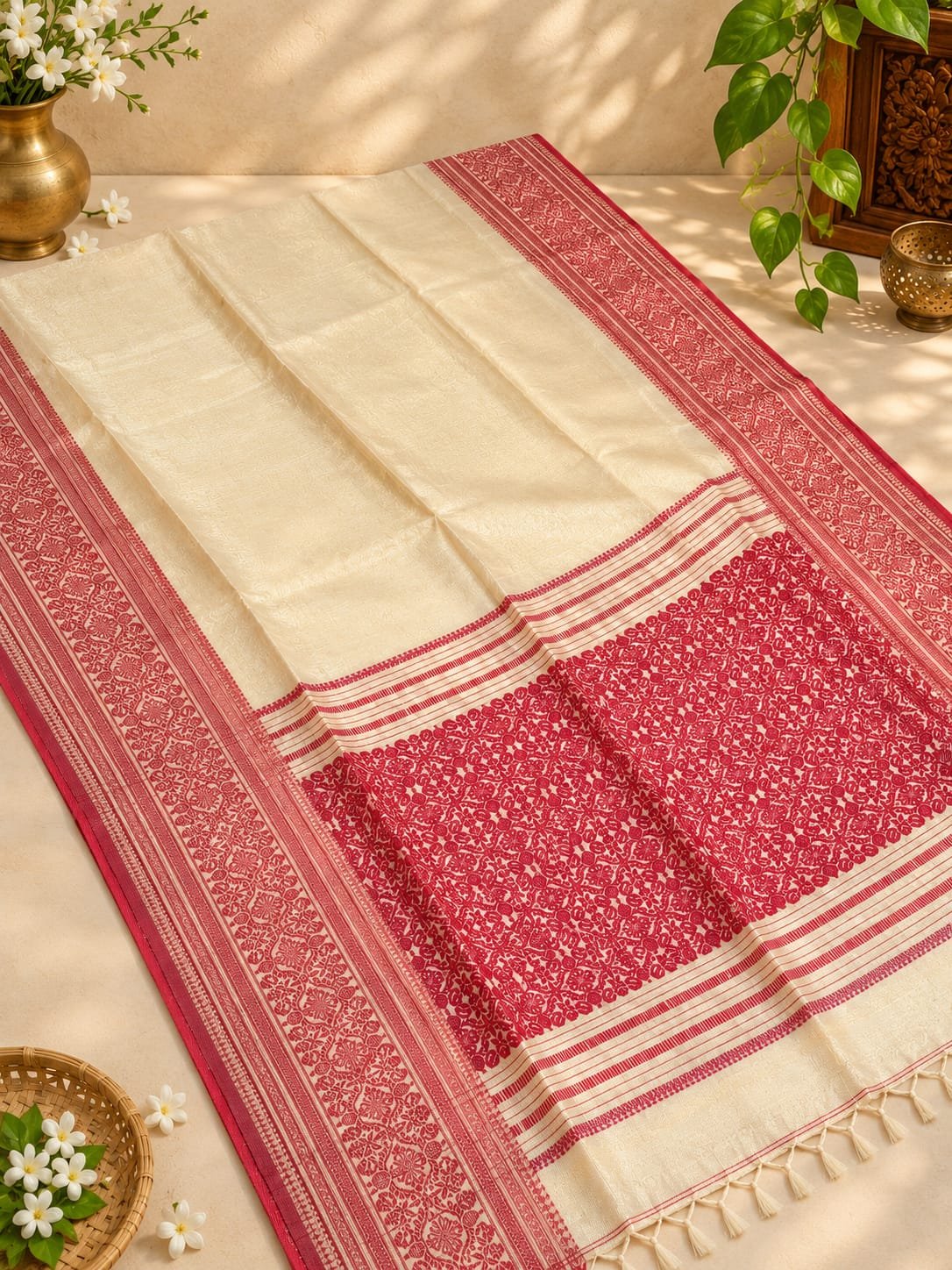
How to Maintain the Shine and Softness of Pure Silk and Tussar Sarees
How to Maintain the Shine and Softness of Pure Silk and Tussar Sarees
Pure silk and Tussar sarees are timeless treasures in every traditional wardrobe. Known for their rich texture, natural sheen, and elegant drape, these exquisite handloom pieces require special care to retain their beauty for generations. If you own or plan to invest in authentic Bengal handloom silk and Tussar sarees, proper maintenance is essential.
Here is a complete guide on how to clean, store, and care for your precious silk and Tussar sarees at home.
1. Understanding the Fabric
Before washing or storing, it is important to understand that pure silk and Tussar are natural protein fibers. They are delicate and react strongly to harsh chemicals, direct sunlight, and rough handling. Sourcing directly from traditional weavers ensures authentic quality, but maintaining that original texture depends entirely on your daily care routine.
2. Washing and Cleaning Guidelines
- Dry Cleaning is Best: For pure silk and Tussar sarees, professional dry cleaning is always the safest option, especially for heavily woven or zari-work pieces.
- Gentle Hand Wash (If necessary): If you prefer washing at home, use cold water and a mild, pH-balanced liquid detergent meant for delicate fabrics. Never soak the saree for more than 3 to 5 minutes.
- Never Twist or Wring: Do not wring or twist the wet saree to squeeze out excess water. Instead, gently roll the saree in a clean, dry cotton towel to absorb the moisture.
3. Drying Proper Practices
- Avoid Direct Sunlight: Always dry your silk and Tussar sarees in a shaded, well-ventilated area. Direct sunlight can fade the natural dyes and weaken the delicate threads.
- Dry Flat or on a Hanger: Hang the saree evenly or lay it flat on a clean surface in the shade.
4. Ironing Tips
- Use Low Heat: Always iron pure silk and Tussar sarees on a low or medium heat setting.
- Use a Press Cloth: Place a thin cotton cloth (like a pressing cloth) over the saree before running the iron. Never apply a hot iron directly onto pure silk or hand-woven zari borders to avoid burning the fibers.
5. Storage and Maintenance
- Breathable Cotton Covers: Store your sarees in clean, breathable cotton or muslin bags. Avoid plastic bags, as they trap moisture and can cause mildew or fabric yellowing.
- Change Folds Regularly: Every few months, take your sarees out, let them air in a shaded room for a few hours, and refold them along a different crease line to prevent permanent fiber breakage.
- Natural Pest Control: Keep dried neem leaves or natural cedar blocks in your wardrobe to protect the fabric from insects. Avoid using harsh chemical mothballs directly on the silk.
Explore Our Exclusive Collection
Looking to add more authentic handloom pieces to your collection? Explore our exclusive range of Pure Tussar Sarees sourced directly from skilled weavers.
About author

Add comment